logo
Casa

Blog circa TPU Expands Creative Possibilities in 3D Printing

Certificazione
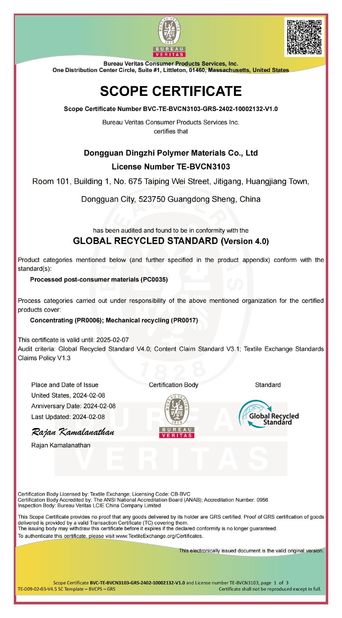
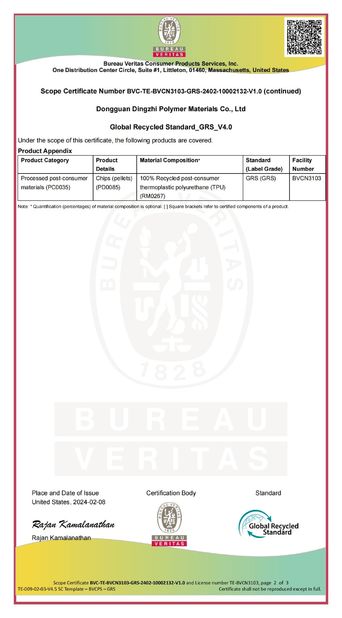
Porcellana Dongguan Dingzhi polymer materials Co., LTD Certificazioni
Sono ora online in chat
società Blog
TPU Expands Creative Possibilities in 3D Printing
ultime notizie sull'azienda TPU Expands Creative Possibilities in 3D Printing

Have you ever dreamed of printing objects that are both soft and durable? Imagine a phone case that perfectly conforms to your device, or sneaker soles that withstand every impact. Thermoplastic polyurethane (TPU), a remarkable material, makes these possibilities a reality.

TPU: The Perfect Blend of Elasticity and Strength

TPU, short for thermoplastic polyurethane, combines the elasticity of rubber with the strength of plastic. In the 3D printing world, TPU is gaining popularity among designers and engineers for its unique properties.

This thermoplastic elastomer possesses both the moldability of plastics and the flexibility of rubber, thanks to its distinctive molecular structure—a block copolymer composed of hard and soft segments. The hard segments provide strength and rigidity, while the soft segments offer elasticity and flexibility. By adjusting the ratio between these segments, manufacturers can produce TPU materials with varying hardness levels to suit different applications.

Understanding TPU Hardness Levels

TPU hardness is measured using the Shore scale, with A-scale for softer materials and D-scale for harder ones. In 3D printing, we typically use Shore A hardness:

  • Soft TPU (85A–88A): With exceptional elasticity, stretching up to 700-1000% of its original length, this grade is ideal for phone cases, cable sleeves, and wearable devices.
  • Medium TPU (90A): Offering a balance between flexibility and strength, it's commonly used for shoe insoles, gaskets, and shock absorbers.
  • Hard TPU (95A): While maintaining some flexibility, this stiffer variant works well for gears, enclosures, and structural supports.
Advantages and Limitations of TPU
Key Benefits
  • Exceptional flexibility and elasticity
  • Strong interlayer adhesion for durable prints
  • High impact resistance and wear tolerance
  • Good chemical resistance against oils and solvents
  • Environmentally friendly with good recyclability
Potential Challenges
  • More difficult to print than standard materials
  • Sensitive to moisture absorption
  • Limited hydrolysis resistance in wet environments
  • Requires slower print speeds and optimized extruders
TPU vs. PLA: Material Comparison
Property TPU PLA
Flexibility High (200–1000% elongation) Low (5–10%)
Impact Resistance Excellent Moderate
Tensile Strength 20–100 MPa 50–70 MPa
Wear Resistance High Low
Chemical Resistance High Low
TPU Printing Guidelines

For optimal results when printing with TPU:

  • Extrusion temperature: 215–240°C
  • Print speed: 80–100 mm/s (direct drive)
  • Reduce retraction by 10–20%
  • Recommended nozzle size: 0.4mm
  • Use cold PEI textured build plates
  • Store in airtight containers with humidity below 60%
Practical Applications of TPU

TPU's unique properties enable diverse applications across industries:

  • Footwear: Athletic shoes, soles, and uppers requiring flexibility and durability
  • Sports Equipment: Bike grips, climbing gear, and protective padding
  • Industrial Components: Gears, bushings, and structural supports
  • Automotive: Steering wheel covers, shift knobs, and dashboard components
  • Medical Devices: Oxygen masks, catheters, and skin-contact equipment
  • Consumer Goods: Phone cases, tool handles, and wearable technology

From footwear to medical devices, sports equipment to automotive interiors, TPU's applications continue to expand as 3D printing technology advances.

Tempo del pub : 2026-04-06 00:00:00 >> blog list
Dettagli di contatto
Dongguan Dingzhi polymer materials Co., LTD

Persona di contatto: Ms. Chen

Telefono: +86-13510209426

Invia la tua richiesta direttamente a noi (0 / 3000)